
EPR for Packaging Waste: What Every Brand, Importer, and Manufacturer Must Get Right (Before It’s Too Late)
If you are a brand owner, importer, or manufacturer in India, chances are you’ve already heard about EPR for packaging waste — usually in the form of a vague CPCB email, a portal deadline, or a recycler suddenly asking for “EPR credits.”
And the confusion starts right there.
- Who exactly needs to comply?
- What counts as packaging waste?
- Why are targets changing every year?
And why do some companies file returns smoothly while others get show-cause notices?
Let’s slow this down and unpack it properly. Not as a legal textbook. Not as recycled internet content. But as a practical, ground-level explanation from the compliance trenches.
By the end of this article, you’ll understand how Packaging Waste EPR actually works in India, what regulators expect from you, and where most companies go wrong.
Why EPR for Packaging Waste Exists in India?
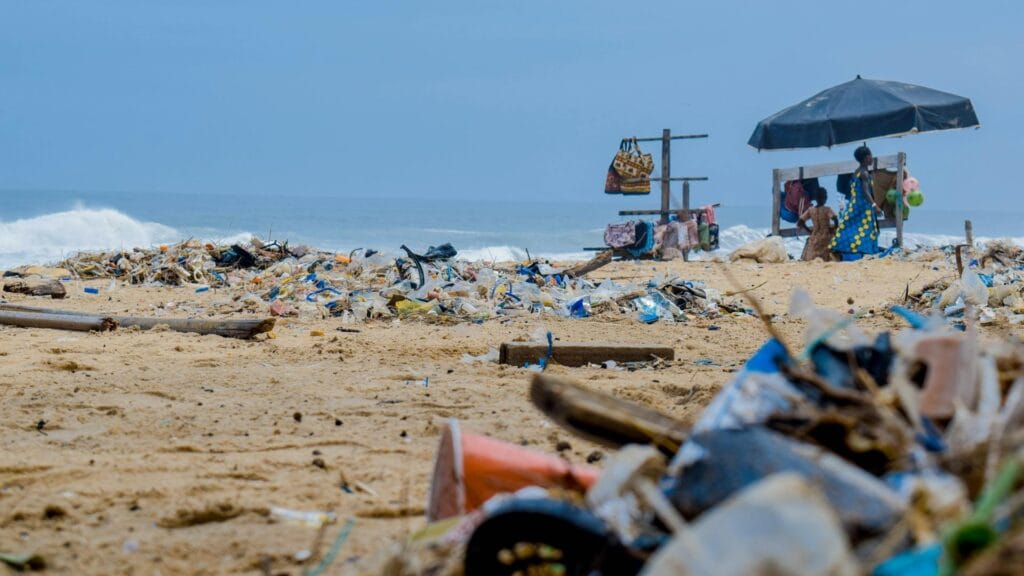
Here’s the uncomfortable truth: India generates over 25 million tonnes of plastic waste annually, and packaging contributes the largest share. For years, waste management was treated as a municipal problem. That model collapsed.
So the regulator flipped the equation.
Under Extended Producer Responsibility (EPR), the entity that introduces packaging into the market must also take responsibility for its post-consumer waste. Not morally. Legally.
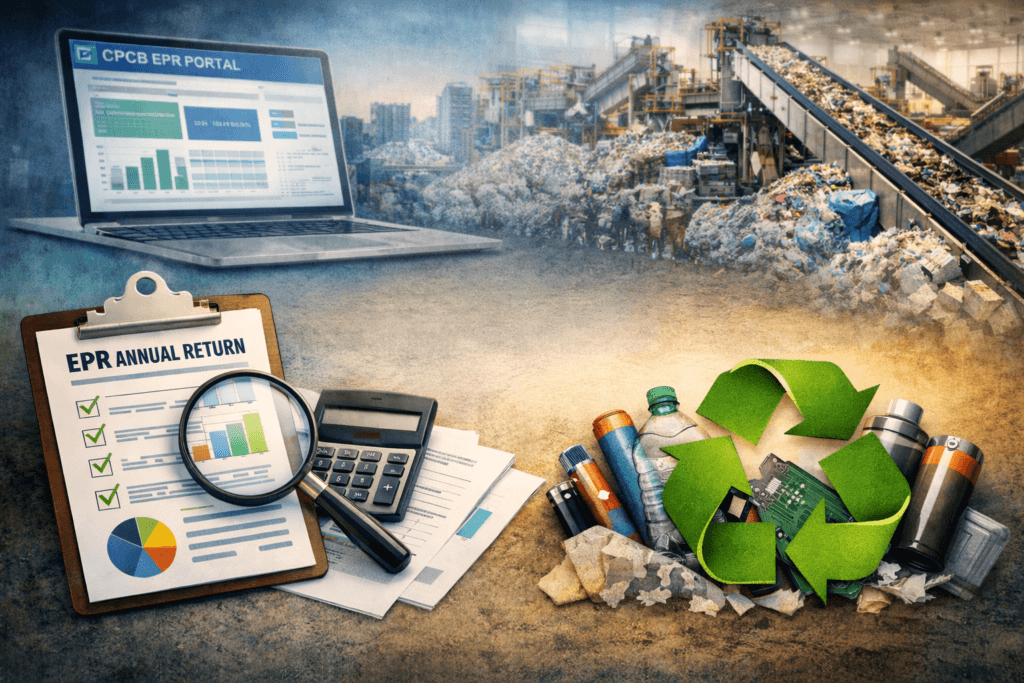
And unlike earlier environmental rules that stayed on paper, Packaging Waste EPR is now digitally tracked through the CPCB portal. Targets are auto-calculated. Evidence is scrutinized. Non-compliance leaves a trail.
This is why EPR for packaging waste India is no longer optional compliance—it’s operational risk management.
Who is Legally Obligated Under EPR for Packaging Waste in India?
This is where most companies make their first mistake—assuming EPR applies only to plastic manufacturers.
It doesn’t.
You are covered if you fall under any of these categories:
- Brand Owners – Any entity selling products under its own brand, irrespective of who manufactures the packaging
- Importers – If you import packaged goods into India
- Producers – Entities manufacturing packaging material
- E-commerce Sellers – Especially private labels and D2C brands
If your product reaches the end consumer with packaging, EPR for packaging firms applies to you.
Even service-based companies are getting pulled in—think food delivery brands, FMCG distributors, cosmetic companies, pharma packaging, electronics, and consumer durables.
Understanding Packaging Categories Under Packaging Waste EPR
Not all packaging is treated equally. CPCB classifies packaging waste into distinct categories, and your obligations differ by category.
Plastic Packaging Categories
- Category I – Rigid plastic packaging
- Category II – Flexible plastic packaging (multi-layered, pouches, sachets)
- Category III – Multi-layered packaging with non-plastic layers
- Category IV – Compostable plastic packaging
Each category has:
- Separate EPR targets
- Different recycling obligations
- Distinct documentation requirements
This classification matters because flexible and multi-layered plastics carry higher regulatory scrutiny due to recycling challenges.
How EPR Targets are Calculated?
Let’s talk numbers—because this is where CFOs start paying attention.
EPR targets are not arbitrary. They are calculated based on:
- Quantity of packaging material introduced in the Indian market
- Previous financial year data
- Applicable recycling and end-of-life percentages notified by CPCB
For Example: If you introduced 100 MT of plastic packaging last year and your mandated target is 70%, you must recycle or process 70 MT through authorized recyclers.
Here’s the catch:
- Targets increase year-on-year
- Historic data errors compound future liabilities
- Under-reporting today creates penalties tomorrow
This is why accurate data reconciliation is critical in Packaging Waste EPR compliance.
The CPCB EPR Portal: Where Most Compliance Fails?
On paper, filing looks simple. In reality, the CPCB EPR portal is where things break.
Common pain points include:
- Incorrect category mapping
- Invalid recycler agreements
- Rejected EPR certificates
- Mismatch between invoiced waste and claimed credits
- Annual returns not aligning with quarterly filings
The portal doesn’t forgive inconsistencies. Once data is submitted, it becomes part of your compliance history.
And yes, regulators do cross-verify recycler uploads with brand owner claims.
EPR Credits, Recyclers, and the Grey Zone Companies Must Avoid
Let’s address the elephant in the room: EPR credits.
Yes, you can meet your EPR obligation by engaging authorized recyclers and purchasing recycling certificates. But this is also where compliance turns risky.
Here’s what the regulator expects:
- Recycler must be CPCB/SPCB authorized
- Quantity processed must be physically verifiable
- End-use evidence must be documented
- Certificates must be uploaded correctly on the portal
What goes wrong?
- Paper-only recyclers
- Backdated certificates
- Duplicate credit usage
- Mismatch between recycler capacity and issued credits
The result? Show-cause notices, credit cancellations, and environmental compensation penalties.
Smart companies treat recycler due diligence as a risk exercise, not a cost-saving hack.
Annual Returns Under EPR for Packaging Waste
Every obligated entity must file:
- Annual EPR Returns
- Material-wise declarations
- Recycling and end-of-life processing evidence
Miss the deadline or file inaccurate data, and you invite:
- Portal suspension
- Penalty calculations
- Regulatory follow-ups
More importantly, once returns are filed, you own the data. Rectifications are neither quick nor guaranteed.
Penalties, Environmental Compensation, and Enforcement Reality
Let’s be direct. Enforcement is no longer theoretical.
Companies are facing:
- Environmental Compensation (EC) based on shortfall
- Blocking of EPR portal access
- Rejection of future filings
- Legal notices routed via SPCBs
The regulator’s stance is clear: lack of awareness is not a defense.
In fact, companies that attempted partial compliance without understanding Packaging Waste EPR properly are often worse off than those who delayed and corrected course.
Why a Strategic EPR Approach Matters?
EPR for packaging waste India is not just an environmental checkbox. It directly impacts:
- Cost structures
- Vendor contracts
- Product packaging decisions
- ESG and sustainability disclosures
- Investor and customer confidence
Forward-looking companies are:
- Redesigning packaging to reduce EPR liability
- Building long-term recycler partnerships
- Integrating EPR data into ESG reporting
- Treating compliance as a system, not a one-time task
That’s the difference between surviving audits and constantly firefighting notices.
Key Takeaways You Should Not Ignore
Before you move on, lock these in:
- EPR for packaging waste India applies to brand owners, importers, and producers—not just plastic manufacturers
- Targets increase annually and are data-driven
- CPCB portal errors have long-term consequences
- Recycler selection is a compliance risk decision
- Annual returns are legally binding declarations
Ignore any one of these, and EPR stops being “just compliance” and starts becoming a liability.
If you are struggling with EPR targets, CPCB portal filings, recycler verification, or annual return accuracy, now is the right time to fix it—before notices land.
GET IN TOUCH
De-Risk Your Packaging Waste EPR Compliance?
We offer a free, no-obligation EPR compliance consultation where we:
- Review your current EPR position
- Identify gaps and exposure areas
- Clarify targets and category-wise obligations
- Suggest a practical, regulator-aligned roadmap
Book your free EPR strategy session now and get clarity before the next filing cycle closes. The consultation costs nothing — but delaying compliance could cost you far more.