Extended Producer Responsibility (EPR) has moved from being a regulatory buzzword to a business-critical compliance requirement for brands operating in India. With increasing scrutiny from the Central Pollution Control Board (CPCB) and State Pollution Control Boards (SPCBs), brands are now legally accountable for the entire lifecycle of their packaging waste — from production to post-consumer disposal.
This shift has created a strong demand for EPR Consultancy Services for Brands, especially among FMCG companies, e-commerce sellers, importers, plastic packaging users, electronics brands, and battery producers. Many brands struggle with understanding applicability, registrations, annual targets, credit mechanisms, and audit-ready documentation. This is where professional EPR consultants play a decisive role.
This blog provides a complete, end-to-end explanation of EPR Consultancy Services for Brands—from fundamentals to advanced execution—so decision-makers can clearly understand what EPR is, why it matters, and how to implement it correctly without regulatory or financial risk.
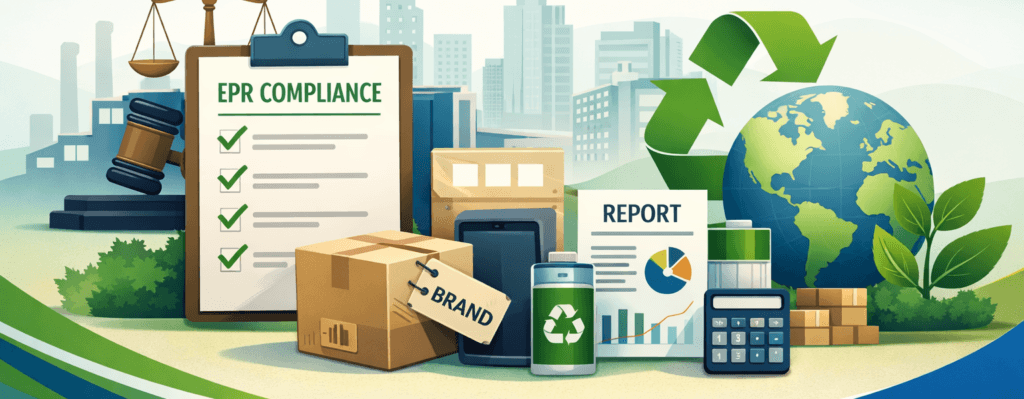
Understanding Extended Producer Responsibility (EPR)
Extended Producer Responsibility is an environmental policy approach under which producers, brand owners, and importers are responsible for managing the waste generated from their products after consumer use.
In India, EPR is governed primarily under:
- Plastic Waste Management Rules, 2016 (amended periodically)
- E-Waste Management Rules, 2022
- Battery Waste Management Rules, 2022
For brands, EPR is not optional. Non-compliance can result in:
- Heavy environmental compensation (penalties)
- Suspension or cancellation of registrations
- Restrictions on sales via e-commerce platforms
- Reputational damage and sustainability risk
EPR Consultancy Services for Brands exist to translate legal mandates into executable, compliant, and cost-efficient systems.
Who Requires EPR Consultancy Services?
EPR applicability is often misunderstood. Brands that typically require EPR Consultancy Services include:
- FMCG and consumer product brands using plastic packaging
- E-commerce sellers and marketplace vendors
- Importers of packaged goods or electronics
- Electronics and electrical equipment manufacturers
- Battery producers, assemblers, and importers
- Brand owners outsourcing manufacturing to third parties
A critical role of EPR Consultancy Services for Brands is to determine precise applicability, which is often more complex than brands initially assume.
Core Components of EPR Consultancy Services for Brands
Professional EPR consulting is not limited to registration alone. It is a multi-layered compliance framework covering regulatory, operational, and reporting requirements.
1. EPR Applicability Assessment
The first step in EPR Consultancy Services for Brands is a structured applicability analysis:
- Type of product and packaging material
- Domestic manufacturing vs imports
- Annual sales volumes
- Packaging composition (plastic, multilayered, electronic, battery)
This assessment prevents incorrect registrations and future disputes with CPCB.
2. CPCB / SPCB EPR Registration
EPR registration is mandatory and centralised through the CPCB portal. EPR Consultancy Services for Brands handle:
- Account creation and category selection
- Documentation preparation
- Data validation and declaration accuracy
- Responding to CPCB queries and clarifications
Errors at this stage can lead to rejection or long approval delays.
3. EPR Target Calculation and Planning
Once registered, brands must meet annual EPR targets, calculated based on:
- Quantity of packaging introduced into the market
- Material-wise breakup
- Historical sales data
EPR Consultancy Services for Brands ensure:
- Accurate target computation
- Avoidance of over-declaration or under-reporting
- Strategic planning to reduce cost exposure
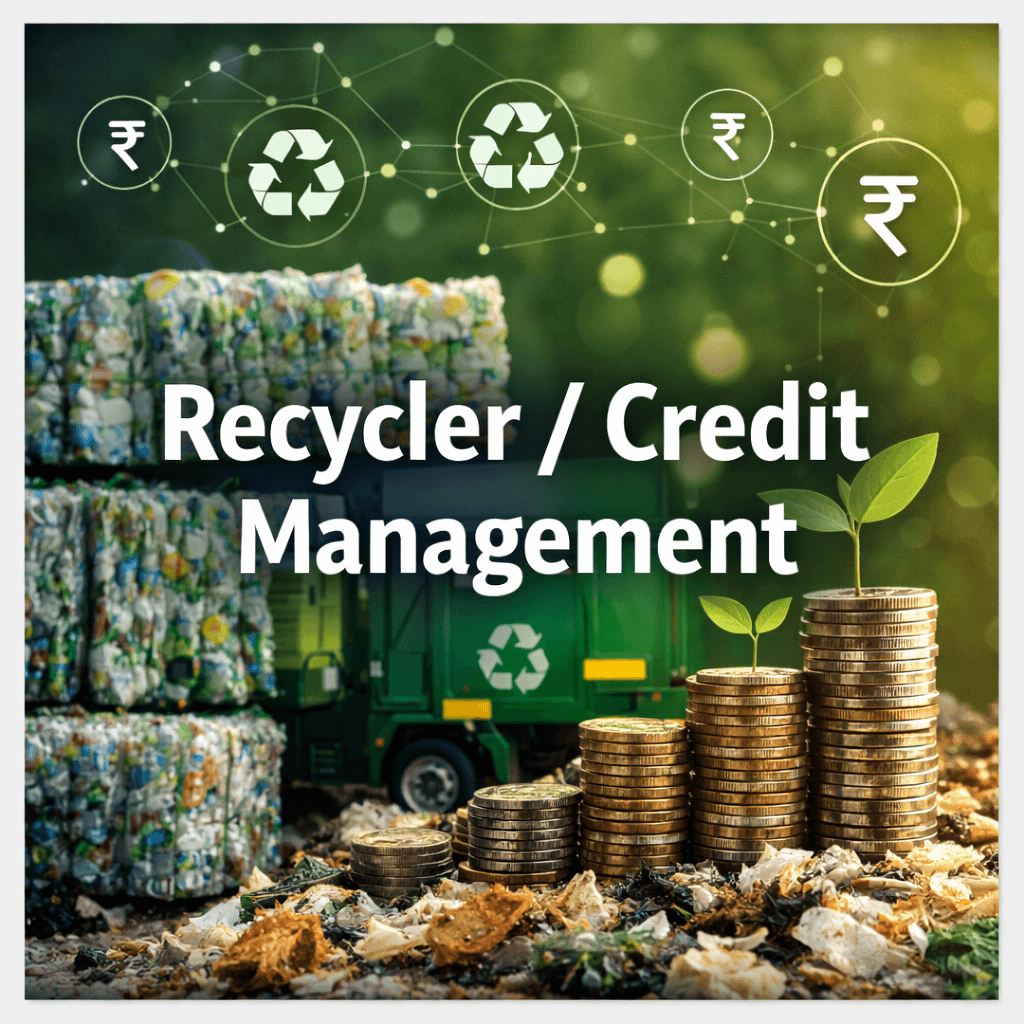
4. EPR Fulfilment Strategy and Credit Management
This is where most brands struggle.
EPR obligations are fulfilled through:
- Waste collection
- Recycling or end-of-life processing
- Purchase of EPR certificates from authorised recyclers
Advanced EPR Consultancy Services for Brands assist with:
- Identifying CPCB-approved recyclers
- Structuring cost-efficient credit procurement
- Avoiding fraudulent or invalid certificates
- Ensuring traceability and portal reconciliation
This step directly impacts compliance cost and audit risk.

Documentation, Record-Keeping, and Audit Readiness
EPR compliance is documentation-intensive. Regulators increasingly demand evidence-based compliance.
EPR Consultancy Services for Brands typically include:
- Agreement vetting with recyclers
- Transaction records and certificates
- Material flow documentation
- Annual return preparation
- Supporting evidence for inspections and audits
Brands without proper documentation face penalties even if recycling has been done.
Annual Returns and Ongoing Compliance Management
EPR is not a one-time activity. Brands must file annual EPR returns and update:
- Sales quantities
- Packaging material changes
- Recycler engagements
- Credit utilisation
Professional EPR Consultancy Services for Brands provide:
- Calendar-based compliance tracking
- Periodic data reviews
- Portal updates
- Regulatory change monitoring
This prevents last-minute non-compliance and financial shocks.
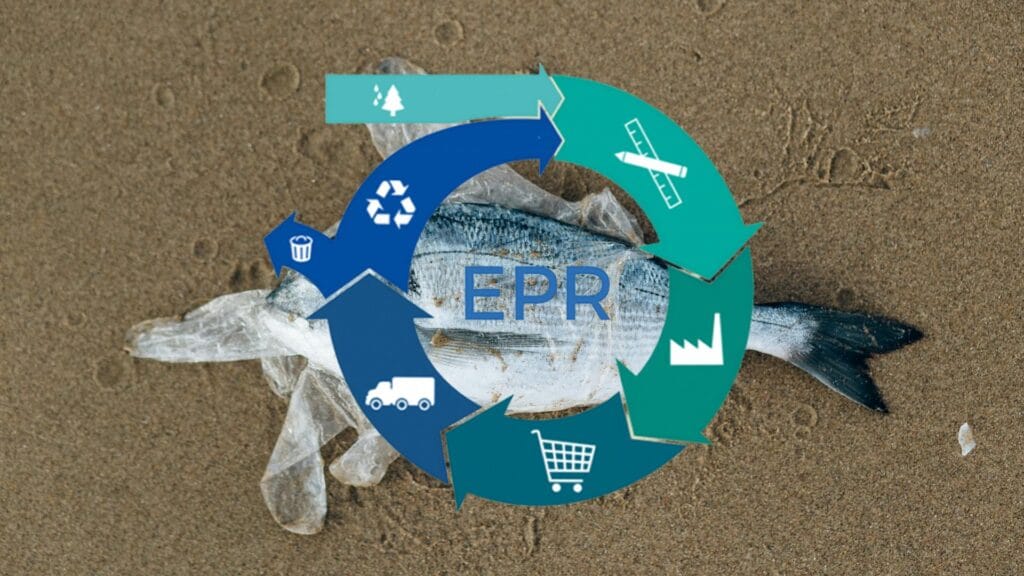
Common Challenges Faced by Brands without EPR Consultants
Brands attempting EPR compliance internally often face:
- Incorrect applicability interpretation
- Portal rejections and long delays
- Inflated EPR credit costs
- Exposure to fake recyclers
- Missed deadlines and penalties
- Inability to respond to CPCB notices
EPR Consultancy Services for Brands exist to eliminate these risks systematically.
Advanced EPR Advisory
For mature brands, EPR consulting goes beyond registration and credits.
Strategic Cost Optimisation
Consultants help brands:
- Forecast future liabilities
- Optimise packaging choices
- Reduce long-term EPR costs
Integration with ESG and Sustainability Reporting
EPR data feeds directly into:
- ESG disclosures
- BRSR reporting
- Sustainability and CSR narratives
Advanced EPR Consultancy Services for Brands align compliance with broader sustainability strategy.
Choosing the Right EPR Consultancy Services for Brands
Not all EPR consultants operate at the same level. Brands should evaluate consultants based on:
- Regulatory expertise (CPCB, SPCB experience)
- End-to-end service capability
- Recycler network credibility
- Documentation and audit support
- Transparency in costing
- Proven brand-side experience
Avoid consultants who only offer “registration only” services without long-term compliance support.
Real-World Impact of Effective EPR Consultancy
Brands using professional EPR Consultancy Services for Brands typically experience:
- Faster registrations
- Lower compliance costs
- Zero regulatory penalties
- Audit-ready documentation
- Stronger sustainability positioning
In contrast, reactive compliance often results in unplanned penalties and reputational damage.
Future of EPR Compliance for Brands in India
EPR enforcement in India is tightening. Future trends include:
- Increased audits and inspections
- Higher environmental compensation for defaults
- Integration with GST and supply chain data
- Public disclosure of non-compliant brands
EPR Consultancy Services for Brands will become a permanent compliance function, not a temporary requirement.
Why EPR Consultancy Services for Brands Are No Longer Optional?
Extended Producer Responsibility is now a core regulatory obligation for brands operating in India. It affects legal compliance, financial planning, sustainability reporting, and brand reputation.
EPR Consultancy Services for Brands provide the structured expertise needed to:
- Interpret complex regulations
- Execute compliant registrations
- Fulfil targets cost-effectively
- Maintain audit-ready records
- Stay ahead of regulatory changes
For brands serious about long-term compliance and sustainability, engaging professional EPR consultancy is not an expense—it is risk management and strategic necessity.