Digital transformation is a term that has become increasingly prevalent in today’s business landscape. It refers to the process of integrating digital technologies into all areas of a business, fundamentally changing how it operates and delivers value to customers. While the concept may seem daunting, understanding where to begin can make the journey smoother and more rewarding. Let’s explore practical steps for initiating digital transformation, illustrated with real-life examples and actionable advice.
Understanding Digital Transformation
Before diving into the steps, it’s essential to grasp what digital transformation truly entails. It’s not merely about adopting new technologies; it’s about rethinking how your organization operates and interacts with customers. This transformation can enhance efficiency, improve customer experiences, and ultimately drive growth.
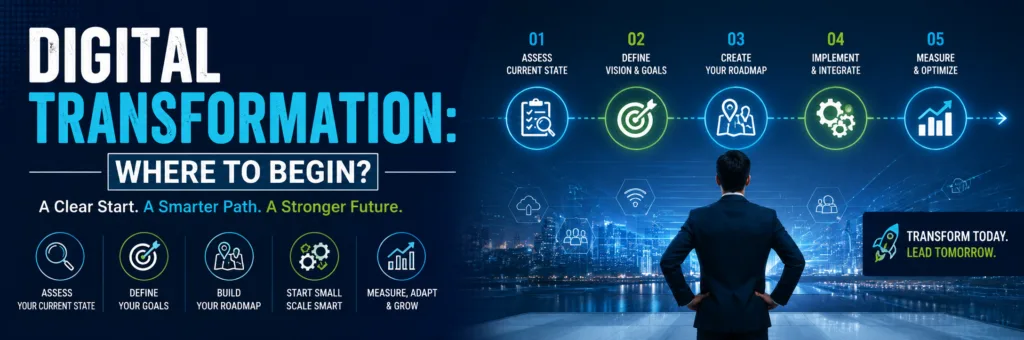
1. Assess Your Current State
The first step in any digital transformation journey is to evaluate your current processes, technologies, and organizational culture. Conduct a thorough assessment to identify strengths, weaknesses, opportunities, and threats (SWOT analysis). This will help you understand where you stand and what areas need improvement.
Example: A mid-sized retail company realized that their inventory management system was outdated and inefficient. By assessing their current state, they identified significant delays in stock replenishment and customer service issues stemming from poor data visibility.
2. Define Clear Objectives
Once you have a clear understanding of your current state, the next step is to define specific goals for your digital transformation efforts. What do you hope to achieve? Whether it’s improving customer engagement, streamlining operations, or increasing revenue, having clear objectives will guide your strategy.
Practical Advice: Use the SMART criteria—Specific, Measurable, Achievable, Relevant, and Time-bound—to set your goals. For instance, instead of saying “we want to improve customer service,” specify “we aim to reduce customer response time by 50% within six months.”
3. Engage Stakeholders
Digital transformation affects everyone in an organization—from top management to front-line employees. Engaging stakeholders early in the process is crucial for gaining buy-in and ensuring that everyone understands the benefits of the changes being implemented.
Real-Life Example: A financial services firm involved its employees in discussions about potential technology upgrades. By soliciting input from various departments, they were able to identify pain points that needed addressing and fostered a sense of ownership among staff regarding the upcoming changes.
4. Invest in Technology
With objectives defined and stakeholders engaged, it’s time to invest in the right technology solutions that align with your goals. This could include cloud computing, data analytics tools, customer relationship management (CRM) systems, or automation software.
Example: A small manufacturing company adopted a cloud-based inventory management system that provided real-time visibility into stock levels. This investment not only improved efficiency but also reduced costs associated with excess inventory.
5. Foster a Digital Culture
For digital transformation to succeed, cultivating a culture that embraces change is essential. Encourage innovation by promoting experimentation and allowing employees to explore new ideas without fear of failure.
Practical Advice: Implement training programs that equip employees with the skills needed to utilize new technologies effectively. For instance, if you introduce a new CRM system, provide comprehensive training sessions to ensure everyone feels comfortable using it.
6. Monitor Progress and Adapt
Digital transformation is not a one-time event; it’s an ongoing process that requires continuous monitoring and adaptation. Establish key performance indicators (KPIs) to measure success against your defined objectives.
Example: After implementing new digital tools, a healthcare provider tracked metrics such as patient satisfaction scores and appointment scheduling efficiency. Regularly reviewing these KPIs allowed them to make necessary adjustments quickly.
7. Celebrate Successes
As you achieve milestones along your digital transformation journey, take time to celebrate these successes with your team. Recognizing achievements can boost morale and reinforce the value of the changes being made.
Real-Life Anecdote: A tech startup celebrated its successful migration to a new project management tool by hosting a team lunch. This not only acknowledged the hard work put into the transition but also encouraged further engagement with future initiatives.
Conclusion
Embarking on a digital transformation journey may seem overwhelming at first glance, but breaking it down into manageable steps can make it more approachable. By assessing your current state, defining clear objectives, engaging stakeholders, investing in technology, fostering a digital culture, monitoring progress, and celebrating successes, you can position your organization for long-term success in an increasingly digital world.
Remember that digital transformation is not just about technology; it’s about people and processes too. By embracing change holistically and involving everyone in the journey, you’ll create an agile organization ready to thrive in today’s fast-paced environment. So take that first step—your future self will thank you!