In an era where cyber threats are becoming increasingly sophisticated, employee training for cybersecurity awareness is more critical than ever. Organizations face a myriad of risks, from phishing attacks to data breaches, and the human element often plays a significant role in these vulnerabilities. By equipping employees with the knowledge and skills to recognize and respond to cyber threats, businesses can significantly enhance their security posture. Let’s explore the importance of cybersecurity awareness training, effective strategies for implementation, and real-life examples that illustrate its impact.
The Importance of Cybersecurity Awareness Training
Cybersecurity awareness training is designed to educate employees about potential cyber threats and best practices for safeguarding sensitive information. According to the 2023 Verizon Data Breach Investigations Report, 74% of data breaches involved the human element, highlighting the need for comprehensive training programs.
Real-Life Example: The Target Data Breach
A notable example of the consequences of inadequate cybersecurity awareness is the Target data breach in 2013, where hackers accessed the personal information of over 40 million customers. The breach was facilitated through compromised credentials from a third-party vendor. Had Target implemented more robust employee training programs focused on recognizing phishing attempts and securing vendor access, they might have mitigated this risk.
Key Strategies for Effective Cybersecurity Awareness Training
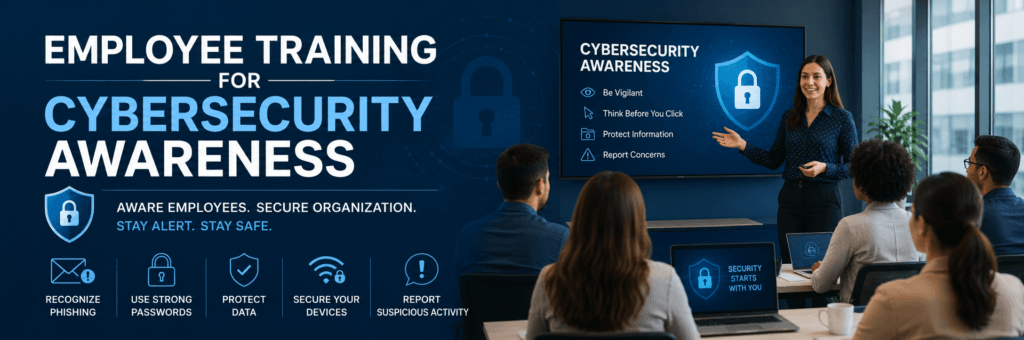
1. Tailor Training to Specific Roles
Not all employees face the same cybersecurity risks; therefore, training should be tailored to specific job roles within the organization. For instance, IT staff may require in-depth knowledge of network security, while sales teams may focus more on recognizing phishing emails.
Practical Advice
Conduct a needs assessment to identify the unique risks associated with different roles and customize training content accordingly. This approach ensures that employees receive relevant information that directly applies to their daily tasks.
2. Use Interactive Training Methods
Engaging training methods can significantly enhance learning retention. Incorporating interactive elements such as quizzes, simulations, and gamified experiences makes training more enjoyable and effective.
Example: Phishing Simulations
Many organizations now use simulated phishing attacks as part of their training programs. By sending fake phishing emails to employees and tracking their responses, companies can identify vulnerable individuals and provide targeted follow-up training. This hands-on experience helps employees recognize real threats in a safe environment.
3. Foster a Culture of Continuous Learning
Cybersecurity is an ever-evolving field, with new threats emerging regularly. Establishing a culture of continuous learning ensures that employees stay informed about the latest trends and best practices.
Personal Anecdote
At a previous company I worked for, we held monthly cybersecurity awareness sessions where we discussed recent incidents in the news and shared tips on how to avoid similar pitfalls. This ongoing dialogue kept security top-of-mind for everyone and encouraged employees to take an active role in protecting company assets.
4. Encourage Reporting and Feedback
Creating an environment where employees feel comfortable reporting suspicious activities is vital for effective cybersecurity management. Encourage staff to report potential threats without fear of repercussions.
Practical Advice
Implement simple reporting mechanisms that allow employees to easily flag suspicious emails or activities. Regularly review these reports in team meetings to reinforce the importance of vigilance and accountability.
5. Measure Training Effectiveness
To ensure that your cybersecurity awareness training is effective, it’s essential to measure its impact regularly. This can be done through assessments before and after training sessions or by tracking metrics such as the number of reported phishing attempts or incidents over time.
Example: Know Be4’s Phish-Prone Percentage (PPP)
Know Be4 provides organizations with tools to measure their “phish-prone percentage,” which indicates how many employees fall for simulated phishing attacks. By tracking this metric over time, companies can assess improvements in employee awareness and adjust their training programs accordingly.
Conclusion
Employee training for cybersecurity awareness is not just a checkbox exercise; it is a fundamental component of a robust security strategy. By tailoring training to specific roles, utilizing interactive methods, fostering a culture of continuous learning, encouraging reporting, and measuring effectiveness, organizations can significantly reduce their vulnerability to cyber threats.
As you consider implementing or enhancing your cybersecurity awareness program, remember that every employee plays a crucial role in safeguarding your organization’s assets. By investing in their education and creating an environment where security is prioritized, you empower your team to act as frontline defenders against cyber threats.
In today’s digital landscape, proactive measures are essential—not only for compliance but also for building trust with clients and stakeholders alike. By prioritizing cybersecurity awareness training, you’re not just protecting your business; you’re cultivating a culture of responsibility that will serve you well in an increasingly interconnected world!