In today’s digital landscape, small and medium-sized enterprises (SMEs) face unique challenges and opportunities. One of the most transformative technologies available to these businesses is cloud computing. By leveraging cloud solutions, SMEs can enhance their operations, improve efficiency, and drive growth without the hefty investments traditionally required for IT infrastructure. This article will explore the benefits of cloud computing for SMEs, share real-life examples, and provide practical advice on how to make the most of this technology.
What is Cloud Computing?
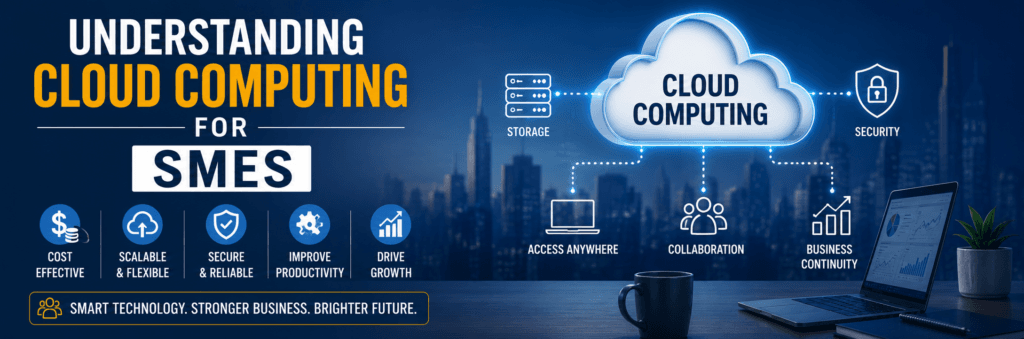
Cloud computing refers to the delivery of various services over the internet, including storage, processing power, and software applications. Instead of relying on local servers or personal computers, businesses can access these resources remotely from cloud service providers. This shift allows for greater flexibility, scalability, and cost savings.
Real-Life Example: A Local Bakery Goes Digital
Consider a small bakery that wanted to expand its operations but faced limitations with its existing technology. By adopting cloud-based solutions, the bakery was able to implement an online ordering system that allowed customers to place orders directly through their website. This not only increased sales but also streamlined inventory management by integrating with their supply chain software. The bakery’s transition to the cloud enabled it to grow without the need for significant upfront investments in IT infrastructure.
Key Benefits of Cloud Computing for SMEs
1. Cost Savings
One of the most significant advantages of cloud computing is cost efficiency. SMEs can reduce expenses related to hardware purchases, maintenance, and software licensing by opting for cloud services that typically follow a pay-as-you-go model.
Practical Advice
Evaluate your current IT costs and compare them with potential cloud solutions. Many providers offer flexible pricing plans that allow you to pay only for what you use, making it easier to manage budgets.
2. Scalability and Flexibility
Cloud solutions provide unparalleled scalability, allowing businesses to quickly adjust their resources based on demand. Whether experiencing a surge in website traffic or needing additional storage for data, SMEs can scale up or down as necessary without long lead times.
Example: A Growing E-Commerce Store
An e-commerce store that initially operated on a small scale found itself overwhelmed during holiday seasons. By migrating to a cloud platform, they could easily increase their server capacity during peak times without investing in physical infrastructure. Once the busy season ended, they scaled back their resources accordingly, optimizing costs while maintaining performance.
3. Enhanced Collaboration
Cloud computing facilitates better collaboration among team members, especially in remote work environments. Employees can access files and applications from anywhere with an internet connection, enabling real-time collaboration on projects.
Personal Anecdote
While working at a marketing firm during the pandemic, we transitioned to remote work using cloud-based tools like Google Workspace. This allowed our team to collaborate seamlessly on campaigns despite being physically apart. We could share documents instantly and provide feedback in real time—an essential factor in maintaining productivity during challenging times.
4. Improved Security
Many SMEs worry about data security; however, reputable cloud service providers invest heavily in security measures that may be too costly for smaller businesses to implement on their own. These measures often include data encryption, secure access controls, and regular security updates.
Practical Advice
When selecting a cloud provider, ensure they comply with industry standards and regulations regarding data protection. Look for certifications such as ISO 27001 or compliance with GDPR if operating in Europe.
5. Backup and Disaster Recovery
Cloud computing simplifies backup and disaster recovery processes. With automatic backups and robust recovery solutions offered by many providers, SMEs can protect their data without extensive manual intervention.
Example: A Small Consulting Firm
A consulting firm I worked with faced a data loss incident due to hardware failure. After migrating to a cloud solution that included automatic backups, they were able to restore their files quickly without losing significant work time or client trust. This experience highlighted the importance of having reliable backup systems in place.
6. Access to Advanced Technologies
Cloud computing provides SMEs access to advanced technologies such as artificial intelligence (AI), machine learning (ML), and big data analytics that might otherwise be out of reach due to high costs.
Practical Advice
Explore cloud platforms that offer integrated tools for data analysis or customer relationship management (CRM). These tools can help you gain valuable insights into customer behavior and improve decision-making processes.
How to Get Started with Cloud Computing
- Assess Your Needs: Evaluate your current IT infrastructure and identify areas where cloud solutions could enhance efficiency or reduce costs.
- Choose the Right Provider: Research different cloud service providers based on your needs—consider factors such as scalability options, security features, and customer support.
- Plan Your Migration: Develop a clear migration plan that outlines how you will transition from your existing systems to the cloud. Consider starting with non-critical applications before moving mission-critical systems.
- Train Your Team: Ensure that your employees are trained on how to use new cloud tools effectively. Provide resources and support during the transition period.
- Monitor Performance: After migrating to the cloud, regularly assess performance metrics to ensure you’re getting the most out of your investment.
Conclusion
Cloud computing represents a game-changing opportunity for small and medium-sized enterprises looking to enhance their operations and drive growth in today’s competitive landscape. By embracing this technology, SMEs can achieve cost savings, scalability, improved collaboration, enhanced security, reliable backup solutions, and access to advanced technologies.
As you consider adopting cloud solutions for your business, remember that this journey is not just about technology; it’s about empowering your team and creating an agile organization ready to adapt to future challenges. With careful planning and execution, you can harness the power of the cloud to elevate your business to new heights!